Free shipping over $35 30-day returns Ships across the United States

Free shipping over $35 30-day returns Ships across the United States
The small parts that decide how a pump feels after month two: valves, milk bowls, and the things worth replacing on schedule.
A pump that feels weaker is usually a pump with a tired valve, not a pump that needs a higher level.
Warm water straight after, then a proper wash once a day. Milk residue is what makes valves sticky and bowls cloudy.
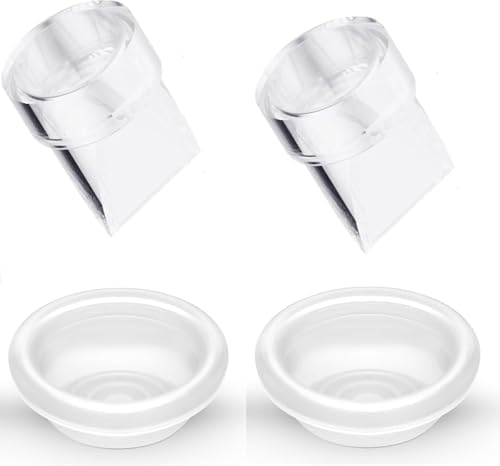
Silicone goes slack and stops sealing between pulses. Hold the valve up: if the slit gapes open at rest, it is done, whatever the calendar says.
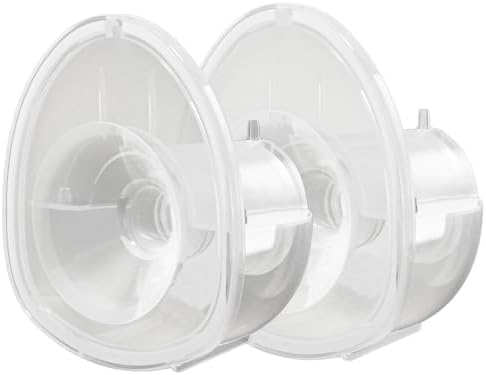
Cloudy plastic or a hairline crack at the rim means the seal is gone. If suction dropped and a new valve did not fix it, the bowl is next.
Repeated heat is what warps sealing edges. Top rack of a dishwasher or warm soapy water is enough for everything here.
Roughly every two to three months under daily use. Heavy pumping and hot washes shorten that, light use stretches it. The slit gaping open at rest is a clearer signal than any schedule.
No. The valves and bowls here are made for the Lulia LU05. Parts from other pumps often look identical and sit wrong by a fraction of a millimeter, which is enough to leak.
Top rack, yes. What shortens their life is repeated boiling and long sterilizer cycles rather than ordinary washing.
These pages describe equipment and routines. They are not medical advice, and nothing here replaces a lactation consultant or your own clinician.
Duckbill valves soften, bowls crack, and both are cheap to replace. Sizes here are model specific, so check the model code on the page before ordering.
Prices come from the retailer listing and change without notice, so treat the figure on each card as the price at the last check rather than a promise. Where a product has enough public ratings to be meaningful, the score and the count are printed next to it; where it does not, we say so instead of showing a single five star review as if it were a verdict.